

Detection & Treatment
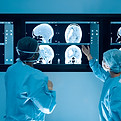
Brain tumours are usually detected through a combination of neurological examination and imaging tests such as MRI or CT scans.
Treatment depends on the type, size, and location of the tumour, as well as the patient’s overall health. Common approaches include surgery, radiotherapy, chemotherapy, targeted therapy, and supportive care to manage symptoms and improve quality of life.
Care is often provided by a multidisciplinary medical team to ensure treatment is tailored to each individual.
Diagnostic Imaging Techniques & Procedures
World Health Organization (WHO) Tumor Grading System for Adult Brain Tumors
The World Health Organization (WHO) grading system is used to classify adult brain tumours based on how abnormal the tumour cells look under a microscope and how likely they are to grow and spread.

Grade I (Low-grade, least aggressive)
Grade 1 brain tumours are slow-growing and considered the least aggressive type.
They are usually well-defined and do not typically spread into nearby brain tissue. In many cases, they can be treated effectively with surgery alone, especially if complete removal is possible.
Examples include tumours such as pilocytic astrocytoma and some types of meningioma.
Many patients do well after treatment, although long-term follow-up is still important to monitor for any return of the tumour.

Grade II
(Low-grade but infiltrative)
Grade 2 tumours grow slowly but have a tendency to extend into surrounding brain tissue. Because of this, they are more likely than grade 1 tumours to return or gradually progress over time.
Treatment often involves surgery, and depending on the situation, may also include radiotherapy or chemotherapy, particularly if the tumor cannot be fully removed or shows signs of change.

Grade III (High-grade, more aggressive)
Grade 3 brain tumours are malignant and grow more quickly. They are more likely to invade nearby healthy brain tissue and require a combination of treatments such as surgery, radiotherapy, and chemotherapy.
Symptoms may become more noticeable as the tumour progresses and can include headaches, seizures, or changes in neurological function such as speech or movement difficulties.
Regular imaging and follow-up are important due to the risk of recurrence.
Grade IV - (Most aggressive)
Grade 4 tumours are the most aggressive form of brain cancer.
They grow rapidly, often develop their own blood supply, and may contain areas of necrosis (dead tissue). A common example is glioblastoma.
Treatment usually involves a combination of surgery, radiotherapy, and chemotherapy, aimed at slowing progression and managing symptoms.

References
Board, E. (2021). WHO classification of tumours of the central nervous system [... presented in this book reflects the views of the WHO Classification Tumours Editorial Board that convened via video conference 24-26 August 2020]. Lyon Internat. Agency For Research Of Cancer.
Diagnostic Cerebral Angiogram. (2026). UC Health. https://www.uchealth.com/en/treatments-and-procedures/diagnostic-cerebral-angiogram#item-1-253732772
How We Diagnose Brain Tumors | Dana-Farber Cancer Institute. (n.d.). Www.dana-Farber.org. https://www.dana-farber.org/cancer-care/types/brain-tumors/diagnosis
Jones J, CT head (protocol). Reference article, Radiopaedia.org (Accessed on 08 Jun 2026) https://doi.org/10.53347/rID-8996
Myelogram and Cisternogram | Pacific Neuroscience Institute. (2026, March 4). Pacific Neuroscience Institute. https://www.pacificneuroscienceinstitute.org/patient-care/services-diagnostics/myelogram-and-cisternogram/
What are the Different Brain Tumor Grades? (2025, October 30). Tisch Brain Tumor Center. https://tischbraintumorcenter.duke.edu/blog/what-are-different-brain-tumor-grades-0